

The Evolving Role of the Silent Protagonist in Modern RPGs: A Conversation Between Dragon Quest and Metaphor: ReFantazio Creators
This article features a discussion between Yuji Horii, creator of the Dragon Quest series, and Katsura Hashino, director of Metaphor: ReFantazio, on the challenges of using silent protagonists in modern RPGs, as featured in the Metaphor: ReFantazio Atlas Brand 35th Anniversary Edition booklet.
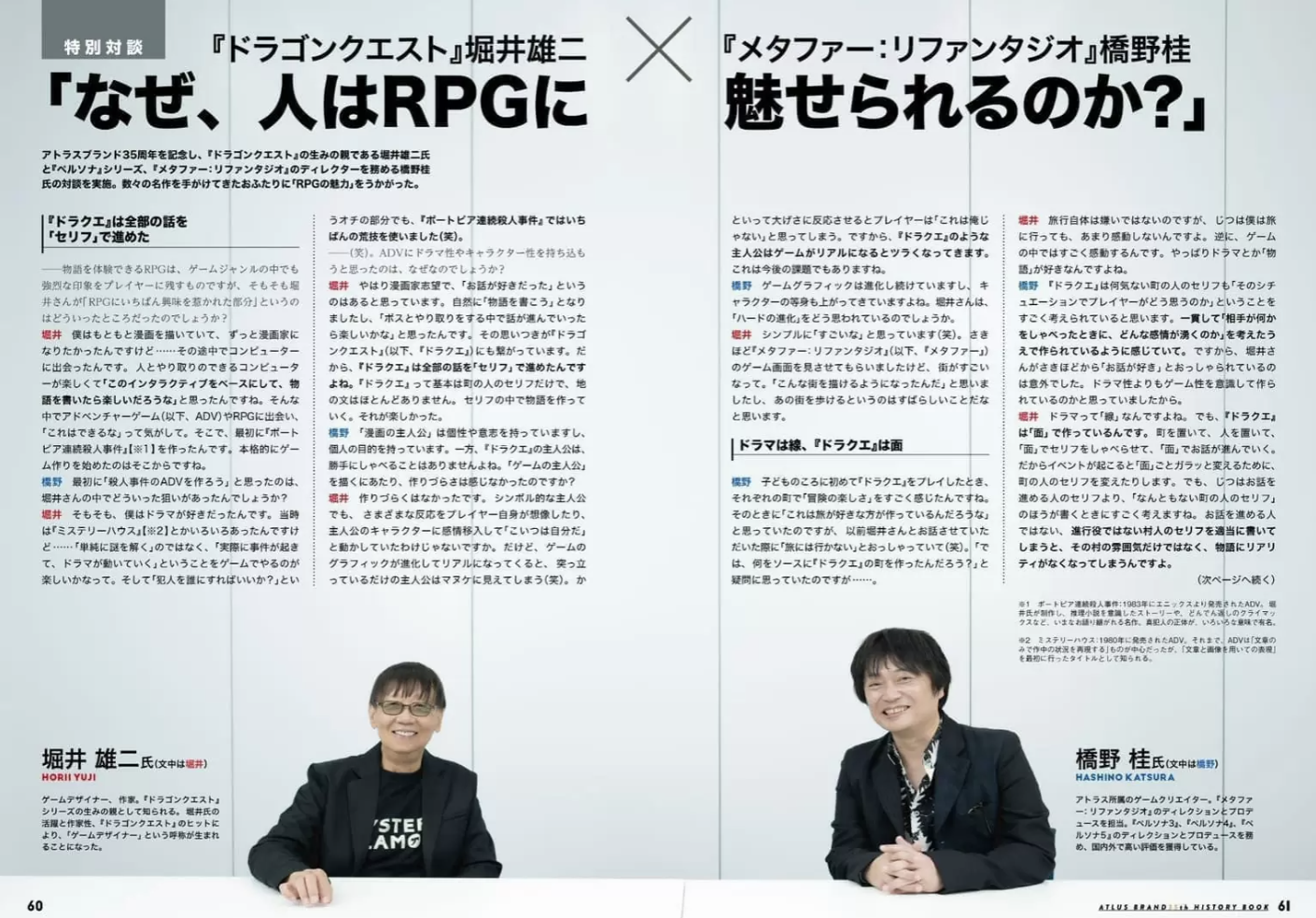
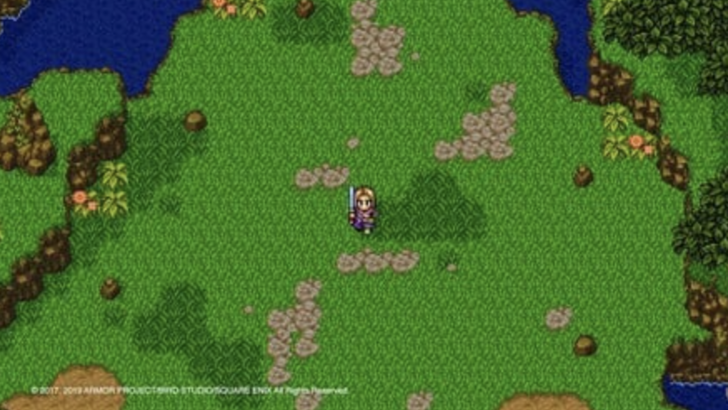
Horii, discussing the Dragon Quest series' signature silent protagonist, calls him a "symbolic protagonist." This approach allows players to project themselves into the character, enhancing immersion. In earlier games, the simpler graphics made this approach effective. However, Horii notes that with increasingly realistic graphics, a completely unresponsive protagonist can appear jarring. He humorously remarks, "As game graphics evolve and grow increasingly realistic, if you make a protagonist who just stands there, they will look like an idiot."
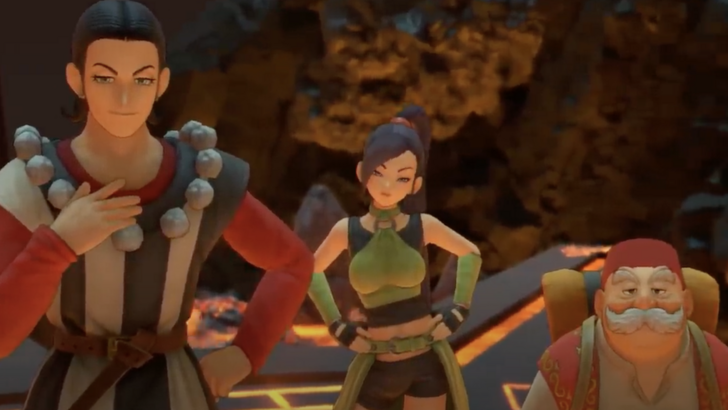
Horii's background as an aspiring manga artist and his passion for storytelling and computers led him to game development. Dragon Quest's narrative structure, built around dialogue and interactions with NPCs rather than extensive narration, is a key element of its design. He acknowledges the increasing difficulty of maintaining this style in the face of modern advancements in graphics and audio. "That’s why, the type of protagonist featured in Dragon Quest becomes increasingly difficult to depict as games become more realistic. This will be a challenge in the future too," he concludes.
In contrast to Dragon Quest's silent protagonist, Metaphor: ReFantazio will feature a fully voiced protagonist, a common approach in many modern RPGs like the Persona series. Hashino, however, praises Horii's approach in Dragon Quest, emphasizing its focus on the player's emotional experience. He states, "I think Dragon Quest puts a lot of thought into how the player will feel in a given situation... I feel like the games are consistently created with the player in mind, thinking about what emotions will arise when someone says something." This highlights the ongoing debate about the best way to create engaging and emotionally resonant experiences in modern RPGs.