
In a new post on Sony's official PlayStation Blog, Sucker Punch Productions' co-creative director Nate Fox shared more details about the research trips the *Ghost of Yotei* team undertook in Japan. Building on his previous blog entry, Fox reiterated the team's dedication to depicting feudal Japan respectfully, this time highlighting their work to authentically represent Ainu culture.
The Ainu are an Indigenous people primarily from northern Japan, particularly the island of Hokkaido, which serves as the setting for *Ghost of Yotei*. Their distinct language, culture, spiritual beliefs, and traditions differ significantly from those of the Yamato people (also known as Wajin), the predominant ethnic group in modern Japan.
*Ghost of Yotei* is set during a pivotal historical moment—1603, the year Tokugawa Ieyasu established the Tokugawa Shogunate, ending decades of civil war. Edo (modern-day Tokyo) became Japan's new political center, ushering in the peaceful Edo period, a time of significant cultural and societal growth. During this era, however, Hokkaido remained a wild, sparsely populated frontier, home to the Ainu, where harsh winters and rugged terrain made life challenging.
"When setting our game in Hokkaido, we knew respectful representation of Ainu culture was crucial," explained Nate Fox. "Fortunately, we connected with an Ainu cultural adviser before our reference-gathering trip." The team was even invited by the adviser to meet her family, which included foraging for wild vegetables in the mountains. "It was a wonderful way to build friendships and begin learning about Ainu culture. That night, we decided to include foraging in the game so players could share a similar experience."
According to Fox, part of the team's research took place on the Oshima Peninsula in southern Hokkaido, the region closest to Japan's main island of Honshu. In the 1600s, this area was controlled by the Matsumae clan, who received exclusive rights from the Tokugawa government to trade with the Ainu to the north. Fox noted that signs of limited Wajin settlement north of Oshima are still visible today, such as the "abundance of cherry trees on the peninsula, brought from Honshu but rare elsewhere on the island. This truly illustrates how sparsely Hokkaido was settled by the Wajin in 1603."
"In the game, we've tried to capture that quality, emphasizing the vast wilderness between settlements." This untamed landscape will form the backdrop for protagonist Atsu's quest for vengeance against her family's killers.
Fox and the team also visited the Nibutani Ainu Museum with their cultural adviser. Traditional Ainu houses (called cise) differ from traditional Japanese homes. The museum visit "really helped us understand the types of objects we'd feature in the game and how they were used."
A glimpse inside an Ainu house, with its large central hearth, can be seen in the official *Ghost of Yotei* release date trailer (around the 2-minute mark). The woman Atsu speaks to in this scene appears to be Ainu, indicated by her lip tattoo—a traditional symbol of beauty that the Japanese government later banned in the late 1800s after fully annexing Hokkaido (source: Embassy of Japan in the UK). By that time, assimilation policies forcing the Ainu to abandon their language and culture were underway.
(As a related note, J.K. Goodrich's 1888 account of Ainu houses offers a firsthand look at the contrasts and complex relations between the Ainu and Japanese at the time.)
Ghost of Yōtei Screenshots
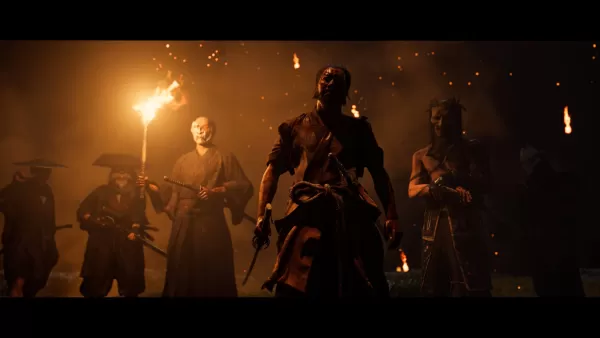

View 8 Images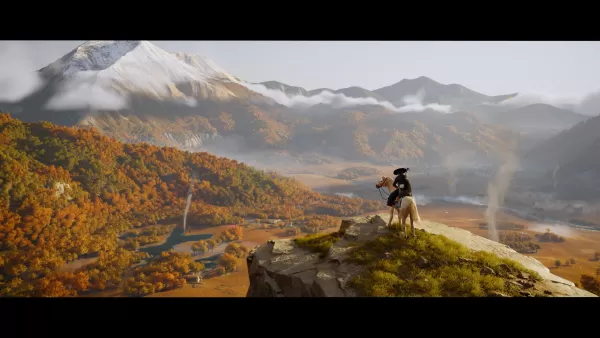
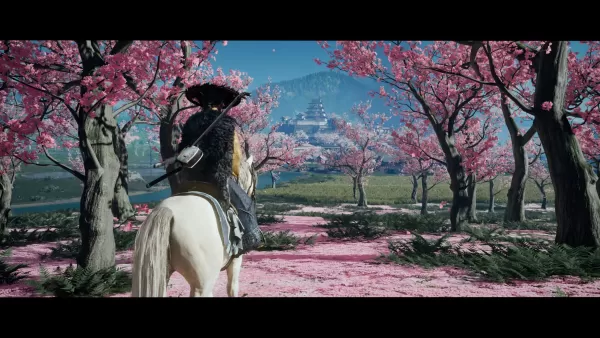
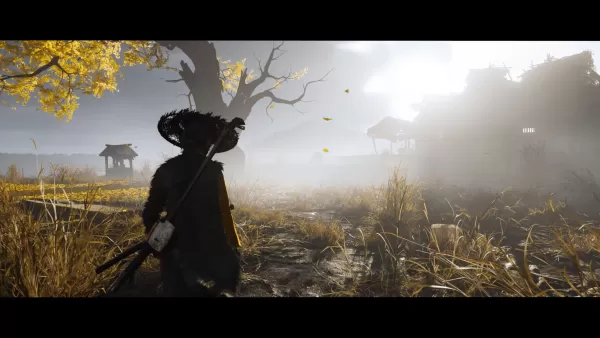

Fox also discussed the team's research into Edo-period Japan, which included a visit to Nikko Toshogu, a shrine dedicated to the shogun Tokugawa Ieyasu. "While there, we received a blessing for the game from the enshrined deity, Tokugawa Ieyasu," Fox said, noting they proudly display the ema (wooden plaque) and omamori (protective charm) from the shrine at their studio as mementos.
Reflecting on the journey, Fox stated, "While our version of Hokkaido is fictional, the sense of authenticity we aim for is rooted in these real-world experiences." It will be fascinating to see how *Ghost of Yotei* portrays the cultural contrasts between the Wajin of the Edo period and the Ainu.