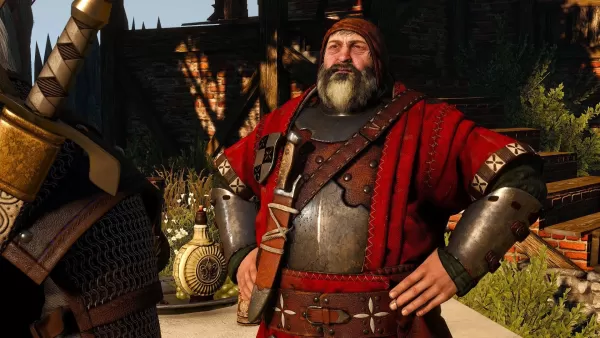

CD Projekt Red has earned global recognition for crafting extraordinary gaming experiences. The Witcher 3, celebrating its decade-long legacy, remains frequently hailed as one of the greatest RPGs of all time. Similarly, Cyberpunk 2077 has evolved through substantial updates into one of the most immersive open-world roleplaying adventures available. These landmark titles have cemented the studio's reputation for excellence, alongside their other remarkable releases. But what truly sets CD Projekt Red apart from other developers?
The Secret Sauce Behind CDPR's Success
The magic lies in how meticulously interconnected elements form cohesive, believable worlds that dynamically respond to player choices. Many RPG developers employ similar frameworks, but few achieve the same level of execution as CDPR.
"When playing other major RPGs, I often notice their technical constraints," explains Patrick Mills, CD Projekt Red's franchise content strategy lead. "Designers' ambitions sometimes exceed what their tools can deliver. Players unfamiliar with development might accuse teams of laziness, but usually it's simply a limitation of available resources."
Powering Innovation Through Custom Tools
CD Projekt Red has invested countless hours developing its proprietary REDengine across four iterations. This bespoke toolkit enables designers to realize their visions, creating worlds where player actions feel genuinely impactful.
Later REDengine versions empowered more ambitious quest designs. The Witcher featured three primary gameplay pillars: investigation, narrative-driven encounters, and combat. Cyberpunk 2077 expanded this with deep character customization supporting varied playstyles including stealth and hacking - each requiring specialized systems. The Phantom Liberty expansion pushed boundaries further with genre-bending quests like its survival horror-inspired finale.
"Given the scale of our RPGs, gameplay variety becomes essential," says level design lead Miles Tost. "Without fresh experiences, players would inevitably disengage, no matter how compelling the narrative."
Crafting Meaningful Choices
CDPR's approach to storytelling emphasizes dramatic twists in every quest. Simple bandit encounters transform into complex narratives through playtesting that explores every conceivable approach. This "destruction testing" ensures missions accommodate diverse player behaviors organically.
The studio specializes in morally ambiguous choices without clear right answers. Decisions often have delayed consequences, preventing save-scumming and reinforcing their weight. Outcomes might include major character deaths, political upheavals, or romantic developments.
"We present all perspectives beforehand," explains associate game director Paweł Sasko. "Players understand context and implications when making choices."
A prime example comes in Phantom Liberty's finale where players choose between helping rogue agent Songbird escape or returning her to the FIA. Neither option offers definitively "good" outcomes, reflecting CDPR's nuanced approach to morality.
Lessons Learned From Past Projects
The studio acknowledges challenges in adapting its philosophy to different game structures. While The Witcher 3's regional design naturally showed consequences, Cyberpunk's sprawling Night City made similar impact harder to communicate. This led to Phantom Liberty's more overt approach to demonstrating choice ramifications.
The transition to Unreal Engine 5 for The Witcher 4 presents new opportunities and challenges. "We want to expand player agency both narratively and mechanically," says game director Sebastian Kalemba. "It's about evolving the series while maintaining our commitment to meaningful choices."
As CD Projekt Red moves forward, the gaming community eagerly anticipates whether their next chapter can surpass even their most celebrated achievements.